Beyond Pizza Fridays: Strategic Employee Engagement Activities for Retention and Results
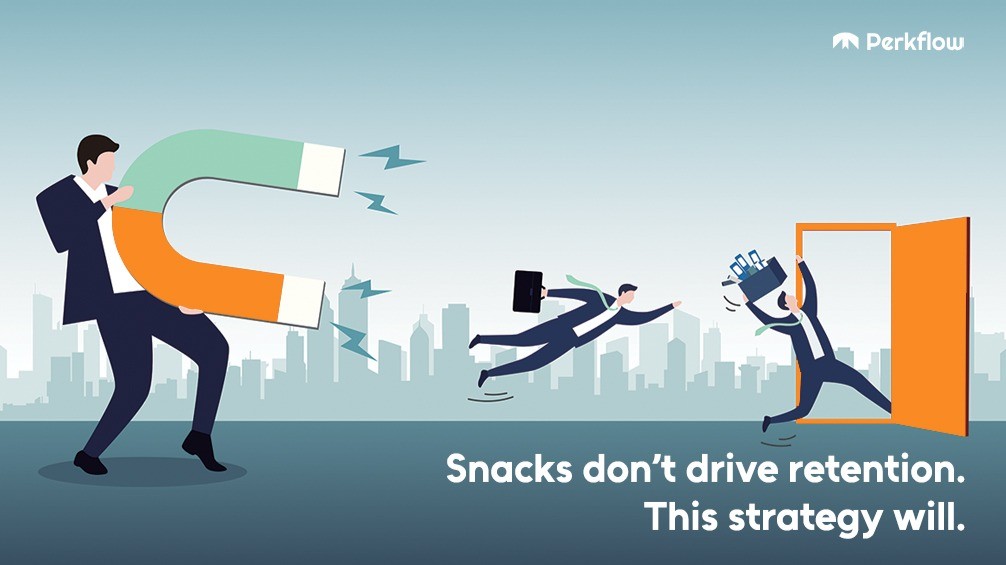
Employee experience requires more than surface-level perks like Pizza Fridays or casual team activities. While these may create short-term energy, they rarely influence how work gets done or how teams perform over time.
As organizations face rising turnover, disengagement, and increasing pressure to deliver results, leaders are being pushed to rethink what engagement actually means in practice.
The focus is shifting from activities to impact from what teams do to how those efforts improve alignment, consistency, and performance.
To drive meaningful results, engagement initiatives must connect directly to how work is structured, how teams collaborate, and how outcomes are delivered.
This is where a more structured approach becomes necessary, one that turns engagement into a system that supports execution.
Why Traditional Engagement Activities Fall Short
It’s easy to default to low-effort employee engagement activities such as free snacks, birthday shout-outs, and maybe even a monthly team lunch. While these may generate momentary goodwill, they often fail to move the needle on key metrics like retention, productivity, or employee satisfaction.
In fact, according to a Gallup report, only 32% of U.S. employees feel engaged at work, despite the millions spent annually on perks and team-building events.
The gap? A lack of strategy.
Engagement initiatives that aren’t rooted in performance, recognition, or development simply don’t stick.
What Strategic Engagement Really Looks Like
Strategic employee engagement focuses on activities that create value for both employees and the organization. It’s no longer about checking boxes; it’s about driving behavior, boosting performance, and reinforcing culture.
Here are a few examples:
● Peer-to-Peer Recognition Programs: Encouraging employees to celebrate each other reinforces collaboration and builds a culture of appreciation.
● Skills-Based Volunteering Days: Align corporate social responsibility with team development by allowing employees to contribute their skills to causes they care about.
● Goal-Based Challenges: Set quarterly engagement goals like cross-functional collaboration or innovation sprints and reward teams for achievements.
● Micro-Learning Workshops: Offer bite-sized, high-impact training sessions during the workday that help employees grow professionally.
The key is intention: each activity should have a purpose, and ideally, it should be measurable. That’s where platforms like PerkFlow comes in.
Making In-Office Engagement Fun and Functional
There’s a misconception that strategic engagement means cutting the fun. The truth is, fun employee engagement activities in the office can absolutely be impactful when thoughtfully designed.
Here are five ideas that merge enjoyment with results:
1. “Kudos Wall + Monthly Spotlight” ➜ Combine peer recognition with a leaderboard and monthly rewards. It’s simple, public, and reinforces desired behaviors.
2. “Departmental Hack Days” ➜ Let teams tackle non-critical projects that improve internal systems or workflows. Encourage creativity while improving the business.
3. “Lunch and Learn Relay” ➜ Once a week, a different employee or guest shares something useful, professional, or personal. Builds community and supports growth.
4. “Random Acts of Recognition” ➜ Managers are prompted (via tools like PerkFlow) to send spontaneous kudos, thank-you notes, or small gifts to team members.
5. “Office Olympics 2.0” ➜ Upgrade typical office games with challenges tied to company values like teamwork, resilience, or innovation while awarding real incentives.
These activities still carry the energy of traditional “fun days,” but with added layers of meaning, consistency, and performance alignment.
How PerkFlow Enables Strategic Engagement at Scale
Here’s the reality: sustaining strategic engagement activities is difficult without the right system in place. That’s why HR teams use PerkFlow, a structured, data-driven platform that helps turn engagement strategies into consistent execution across teams.
PerkFlow enables HR leaders to:
- Track participation and engagement patterns across teams and initiatives
- Connect team activities to performance outcomes and business priorities
- Provide structured prompts that help managers stay consistent in team follow-through
- Centralize engagement signals and performance data for clearer visibility
- Generate real-time insights on what is improving execution and where alignment is breaking down
- Helps you see the Cost of execution drift. Calculate your cost here.
Imagine launching a cross-functional initiative, tracking participation in real time, seeing how it influences collaboration and output, and adjusting execution as needed, all from one system.
Conclusion: Engagement that Delivers Results
Employee engagement is not about keeping people busy or entertained; it’s about creating the conditions for consistent, focused execution.
The most effective initiatives are those that improve clarity, strengthen alignment, and help teams stay connected to what matters. When that happens, engagement stops being a separate effort and becomes part of how work gets done every day.
Organizations that make this shift don’t just improve culture, they improve performance, retention, and overall team effectiveness.
PerkFlow supports this by helping leaders connect engagement efforts to real work, bringing visibility, structure, and alignment into how teams operate, so results are consistent as the organization scales.
 Written by Ufan-Abasi Francis