Virtual Meeting Etiquette: A Guide for HRs and Team Leads Building Recognition-First Cultures(2025)
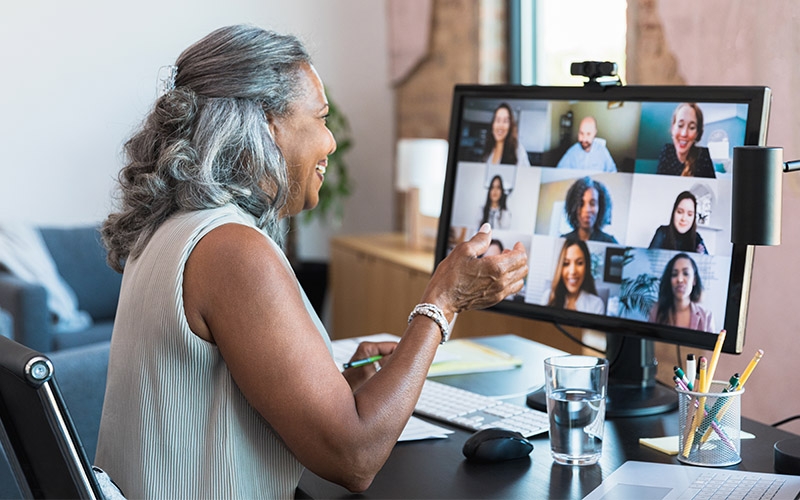
The way we work has changed dramatically in recent years. Remote and hybrid work models are no longer temporary fixes; they’ve become long-term strategies for many organizations. Along with this shift comes a new reality: most collaboration, decision-making, and team culture-building now happens in virtual spaces.
But while remote work offers flexibility and access to a wider talent pool, it also presents challenges. Many HR managers and team leads report that virtual meetings often feel unstructured, disengaging, or even draining for employees. That’s where virtual meeting etiquette comes in. For HR leaders and team managers, it’s about creating respectful, productive environments where employees feel valued.
This guide will explore the core principles of virtual meeting etiquette, how they connect to recognition-first cultures, and practical steps HRs and team leads can take to transform routine meetings into moments of engagement and recognition.
Why Virtual Meeting Etiquette Matters for HRs and Team Leads
Virtual meetings are now central to employee collaboration. They replace many of the organic interactions we once had in offices. The coffee chats, impromptu brainstorming sessions, and face-to-face check-ins. For HR professionals and team leads, setting the tone for these meetings is a matter of culture as much as process.
When etiquette is neglected, the results are familiar: late starts, participants multitasking, people talking over one another, or awkward silences. These behaviors may seem minor, but they signal disrespect and disconnection. Over time, this erodes trust and undermines employee morale.
By contrast, structured and respectful virtual meetings create space for people to feel seen and heard. They encourage professionalism, foster inclusivity, and allow recognition moments to shine through naturally. For HR leaders, this is crucial: companies with recognition-rich cultures see higher employee engagement scores compared to those without.
Virtual meeting etiquette isn’t just about politeness, it’s about fostering respect, recognition, and productivity in remote teams.

Core Principles of Virtual Meeting Etiquette
Good etiquette is the foundation of effective virtual collaboration. Below are the core principles HRs and team leads should champion:
a. Punctuality and Preparation
Respect begins with time. Meetings should start and end on schedule, with participants arriving prepared. HRs can set the standard by sharing agendas in advance and encouraging team members to review materials beforehand.
b. Clear Agenda and Roles
Every meeting should have a clear purpose. Assigning roles such as facilitator, note-taker, or timekeeper helps maintain structure and ensures all voices are heard.
c. Muting and Unmuting Etiquette
Background noise can derail focus. Encourage participants to mute when not speaking and unmute when contributing. Gentle reminders help this become second nature.
d. Active Listening and Participation
Virtual meetings demand attentiveness. Leaders should discourage multitasking and encourage verbal or visual signals of engagement, like nodding, using reactions, or summarizing points.
e. Equal Opportunity to Speak
Team leads should ensure that quieter employees aren’t overshadowed. Rotating speaking opportunities or using chat polls ensures inclusivity.
f. Follow-Ups and Accountability
Meetings should end with clear next steps. Summarize key takeaways and assign responsibilities to keep momentum strong.
Strong etiquette, meticulously cultivated and consistently applied, sets the unbreakable foundation for meaningful recognition in every meeting, transforming mere gatherings into powerful platforms for connection and appreciation.

Linking Etiquette to Recognition-First Cultures
So, how does etiquette tie into recognition? The connection is deeper than it first appears. When meetings follow etiquette principles, employees feel respected and valued.
That respect creates the psychological safety necessary for recognition to thrive. If people consistently feel ignored or interrupted, genuine recognition moments won’t resonate.
For example:
- A well-prepared agenda might include space to highlight recent achievements.
- Equal speaking opportunities allow every team member to receive acknowledgment.
- Active listening ensures recognition is heard and appreciated, not brushed over.
HR leaders play a key role in embedding this connection. By setting policies that integrate recognition into meetings, they model a culture where acknowledgment isn’t an afterthought but a standard practice.
Recognition thrives in structured, respectful spaces and that’s exactly what etiquette provides.
Practical Strategies for HRs & Team Leads
Turning theory into practice requires intention. Maintaining a strong sense of team cohesion and individual value can be a challenge. Virtual meetings, while essential for collaboration, can sometimes feel transactional and lack the informal opportunities for connection that exist in a physical office.
To combat this and cultivate a recognition-first culture, HR professionals and team leads should strategically integrate opportunities for peer-to-peer appreciation directly into their virtual meeting agendas.
One highly effective method is to dedicate a short segment, such as a “shout-out round,” at either the beginning or end of meetings. This designated time provides a structured yet flexible space for team members to publicly acknowledge and appreciate their colleagues’ recent contributions, efforts, or achievements.
At the Start of the Meeting: Setting a Positive Tone
Initiating a meeting with a shout-out round can serve as an excellent icebreaker and immediately set a positive, appreciative tone. It helps to:
- Boost Morale: Hearing positive feedback right at the start can energize participants and put them in a more collaborative mindset.
- Encourage Engagement: It can encourage active listening and participation from the outset, as individuals consider who they might want to recognize.
- Reinforce Values: It subtly reinforces the company’s commitment to appreciation and teamwork as core values.
- Showcase Impact: It provides a quick snapshot of recent successes and how individual efforts contribute to the larger team goals.
At the End of the Meeting: Reinforcing Achievements and Learning
Concluding a meeting with a shout-out round offers a different set of benefits:
- Summarize Successes: It provides an opportunity to reflect on progress and achievements made since the last meeting or during a specific project.
- End on a High Note: Leaving the meeting with a sense of appreciation can improve overall meeting satisfaction and carry over into subsequent work.
- Foster a Culture of Learning: When individuals are recognized for specific actions or behaviors, it can highlight best practices and encourage others to emulate positive contributions.
- Strengthen Relationships: Public recognition can strengthen interpersonal bonds and foster a more supportive team environment.
Practical Implementation Tips:
To ensure the success of your shout-out rounds, consider the following:
- Keep it Brief: Designate a specific time limit (e.g., 5-10 minutes) to keep the segment focused and avoid dominating the meeting agenda.
- Encourage Specificity: Guide team members to provide specific examples of what they are recognizing, rather than vague compliments. For instance, instead of “Thanks, John, you’re great,” encourage “Thanks, John, for going the extra mile to help me troubleshoot that technical issue yesterday; it saved us a lot of time.”
- Model the Behavior: Team leads and HR representatives should actively participate and offer shout-outs themselves to demonstrate the desired behavior.
- Rotate Participation: Encourage different team members to offer recognition in each meeting to ensure widespread involvement.
- Vary the Focus: While contributions are key, also encourage recognition for positive attitudes, helpfulness, innovative ideas, or embodying company values.
- Consider a Digital Tool (Optional): For larger teams, integrating a simple digital recognition tool like Perkflow or a shared document where team members can type their shout-outs can streamline the process and ensure everyone has a chance to be heard.
Follow Up (Optional): For particularly impactful recognition, consider a quick follow-up email or message to the recognized individual, reiterating the appreciation.
By consciously weaving these moments of recognition into the fabric of virtual meetings, organizations can significantly enhance team morale, reinforce positive behaviors, and build a truly recognition-first culture that thrives in any work environment.
Every meeting is an opportunity to turn good etiquette into lasting recognition. Virtual meeting etiquette is crucial for HR professionals and team leads to build recognition-first cultures by ensuring visibility and fostering a positive atmosphere.
Tools & Technologies that Support Recognition in Virtual Meetings
Etiquette alone isn’t enough, technology can amplify recognition and make it sustainable.
Video Conferencing Features
Platforms like Zoom or Microsoft Teams include etiquette-friendly features: hand-raising, breakout rooms, and reaction icons that support recognition.
Collaboration Tools
Slack or Teams channels dedicated to “shout-outs” ensure recognition continues after the meeting.
HR & Recognition Platforms
Tools like Perkflow automate recognition through curated rewards, milestone celebrations, and public acknowledgment features. When paired with etiquette, these tools elevate recognition from sporadic gestures to an embedded culture practice.
Consider a company that ends weekly virtual meetings with a recognition segment and logs each shout-out in Perkflow. Employees not only feel appreciated but also receive tangible rewards, reinforcing positive behaviors.
Technology can automate recognition, but etiquette ensures it feels authentic. It is the adherence to proper virtual meeting etiquette that ensures these acts are perceived as genuine and heartfelt.
Overcoming Challenges in Building Recognition First Cultures
Even with the right etiquette and tools, HRs and team leads will face challenges.
- Camera Fatigue: Encourage flexible participation allow audio-only attendance at times while keeping recognition consistent.
- Quiet Employees: Use polls, anonymous chat shout-outs, or smaller breakout rooms to ensure inclusivity.
- Recognition Favoritism: Rotate recognition opportunities and encourage peer-to-peer acknowledgment, not just manager-led praise.
- Cultural Differences: Global teams may interpret etiquette differently. HRs should provide cultural sensitivity training.
Consistency serves as the crucial link that bridges the gap between established etiquette rules and the successful cultivation of a recognition-first culture within an organization.
Conclusion
Virtual meetings are more than just a way to connect, they are the cultural heartbeat of remote and hybrid organizations. For HR professionals and team leads, practicing and promoting virtual meeting etiquette isn’t simply about structure. It’s about creating a respectful, engaging space where recognition becomes natural.
Running effective virtual meetings requires more than good intentions, it depends on consistency, clarity, and how well teams translate conversations into action.
PerkFlow helps organizations bring structure to this process by aligning meeting outcomes with follow-through, making it easier to track decisions, reinforce key moments, and maintain consistency across distributed teams. Instead of meetings ending as conversations, they become part of a system that drives execution forward.
 Written by Ufan-Abasi Francis