The people’s blueprint is understanding that ‘Your people are not separate from execution’; they are the system through which execution runs. Think of it as another strategy to help keep your team aligned. This is summarized as psychological safety.
Psychological safety remains one of the strongestdrivers of high-performing teams because people perform better in a healthy, less toxic environment.
This is why People and Culture are becoming central to executing the strategy. Their role is no longer limited to engagement programs or hiring; they now help build systems for communication, accountability, feedback, and recognition that keep teams aligned with your overall strategy.
The simple truth is your strategy may not be the issue; your execution is. This is why psychological safety is important in the workplace.
This shift is why modern companies are investing more heavily in alignment and execution visibility systems like PerkFlow, helping leaders detect operational drift early and keep teams connected to measurable outcomes before performance gaps become expensive.
Why Executing the Strategy Became Harder in the 21st Century.
The rapid advancement of the world has a great impact on the workplace. While there are more good than bad, the advantage of this digital world is that there is a solution to every bad side to try to remedy it.
Ten years ago, execution problems were easier to spot, as everything was in 1 place. Today, execution happens across:
Remote teams
Multiple regions
Different time zones
Layered software systems
Rapidly changing priorities
The result is operational fragmentation. Everyone may be technically working, yet the organization slowly drifts away from the strategy.
If every person rows with a different timing, even strong people create chaos instead of movement. That’s what happens inside many companies today. Individually, none of these goals is wrong, but without alignment, they pull the organization in different directions.
This is why executing the strategy is now deeply connected to
culture,
communication,
behavioral reinforcement, and
operational visibility.
Execution is an organizational capability.
Alignment does not happen accidentally. It is designed.
Why Culture Is Now an Operational System
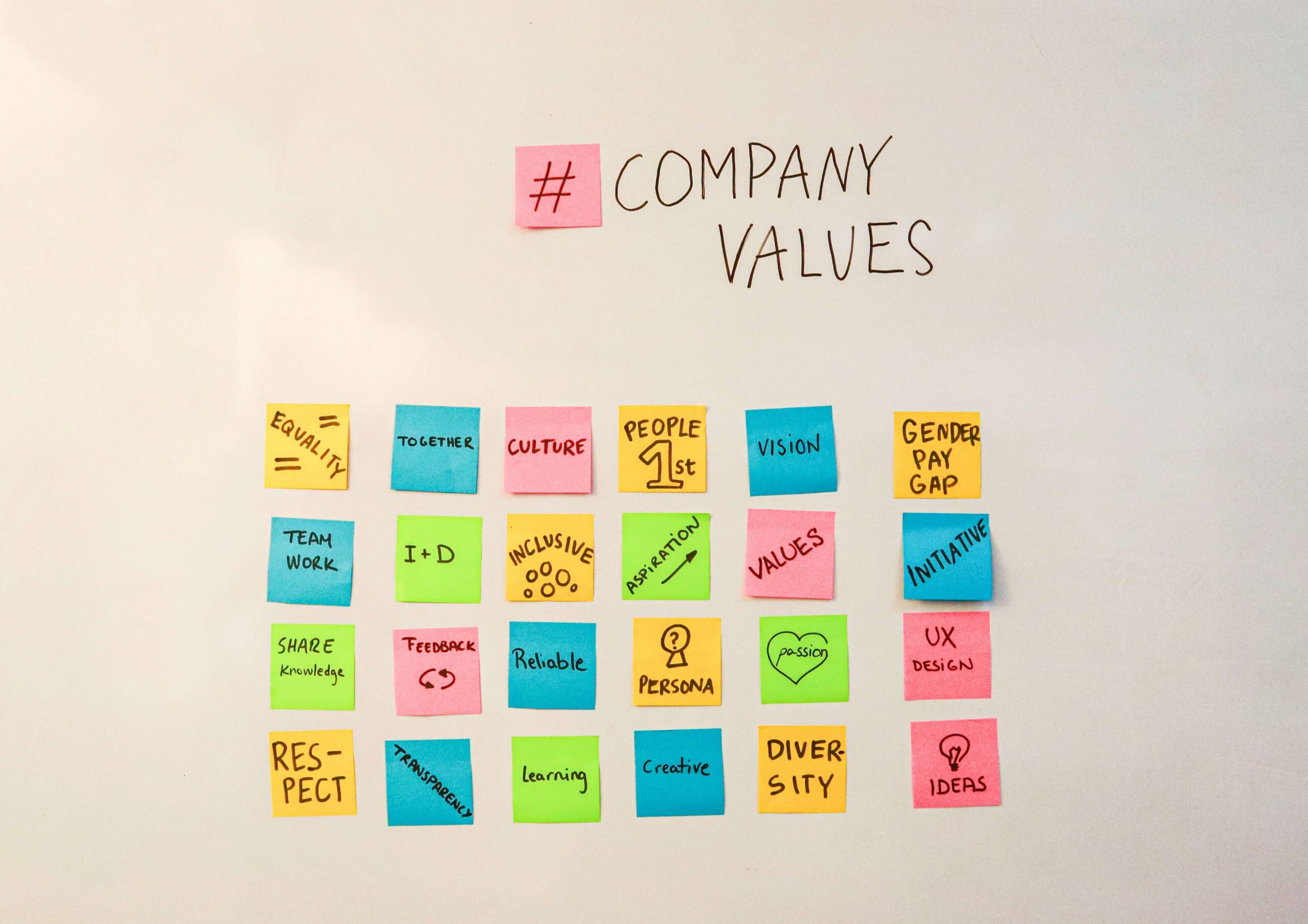
Many executives still think culture is about values written on office walls.
In reality, culture is operational.
Culture determines:
How decisions are made
How accountability works
How quickly issues escalate
How managers respond to underperformance
Whether teams collaborate or compete
Whether people prioritize outcomes or appearances
Culture shapes execution speed because,
A weak culture creates friction.
A strong culture creates alignment.
The difference is rarely the strategy. It is how consistently people execute the operational process. That same principle applies inside organizations.
This is why modern People and Culture leaders are focusing less on symbolic engagement activities and more on operational reinforcement.
The question is no longer: “Are employees happy?”The better question is: “Are employees aligned around the same execution outcomes?”
This distinction matters.
Executing the Strategy Now Depends on Continuous Visibility and Alignment
Activity doesn’t equal execution. This is why execution should be a reactive process. You can achieve this by building continuous systems for executing the strategy.
misalignment between teams much earlier, before those issues grow into larger business risks.
More importantly, you cannot align a team when you have no visibility and clarity on the day-to-day activities. Why? Small execution gaps rarely stay small. Even a 5% inconsistency across departments can quietly grow into a significant operational and financial issue over time.
For that reason, many companies are moving away from delayed reporting cycles and investing in execution intelligence systems that continuously measure alignment across the organization. When operational visibility and alignment become priorities, PerkFlow.
Mid-Article Insight: The Cost of Misalignment Is Usually Invisible
One of the most dangerous things about execution problems is how invisible they are at first.
A delayed approval here.
A communication breakdown there.
Different KPI interpretations between departments.
Managers are reinforcing conflicting priorities.
Collectively, they become operational drag. For many leaders, the surprising discovery is not that execution drift exists. It is how much it is already costing the business. Calculate your execution drift here.
This helps organizations estimate how inconsistent execution across teams impacts revenue, operational efficiency, and performance stability.
FAQ
What does “executing the strategy” actually mean?
Executing the strategy means turning business goals into consistent daily actions across teams, departments, and managers. It ensures the organization moves in the same direction operationally, not just conceptually.
Why are People and Culture teams important for execution?
Because execution depends on people’s behaviors. People and Culture teams shape communication, accountability, incentives, performance systems, and alignment structures that influence how strategy is carried out daily.
What is execution drift?
Execution drift happens when teams slowly move away from strategic priorities due to inconsistent processes, unclear communication, conflicting incentives, or a lack of visibility across operations.
How can companies improve execution alignment?
Organizations improve execution alignment by creating role clarity, reinforcing measurable goals, improving manager communication, increasing operational visibility, and using systems that detect performance inconsistency early.
Why is operational visibility important in 2026?
Operational visibility helps leaders identify risks, underperformance, and misalignment before they become costly.
Final Thoughts
Executing the strategy successfully in 2026 now depends heavily on operational consistency, psychological safety, and continuous alignment across teams. Organizations are realizing that People and Culture teams play a major role in reinforcing accountability, improving communication, and helping employees stay connected to measurable business goals.
In fact, as businesses grow, maintaining alignment becomes harder. Teams expand, priorities shift, and communication gaps begin affecting how work gets executed across departments. Even strong strategies can lose momentum when employees, managers, and leadership are not operating with the same level of clarity and visibility.
Companies that can identify execution drift early and maintain visibility across operations are better positioned to scale sustainably.
Platforms like PerkFlow help organisations improve alignment, strengthen execution visibility, and keep strategy connected to daily operations in real time.

 Written by Ufan-Abasi Francis