What Role Does Talent Management Play in Strategy Execution?

Your strategy is the roadmap, and execution is the engine. But who powers that engine? Your people. As a leader, your people are the driving force behind execution. If they lack the right skills, capabilities, or support, even the strongest strategy can stall before it delivers results.
According to Harvard experts, when talent practices closely align with strategic priorities, organizations are more likely to achieve better business outcomes while reducing employee turnover. In many ways, talent management is the delivery system that keeps strategy execution moving.
Talent management is the mechanism that turns strategy from a document into daily behaviour. In this article, I’ll show you the role talent management plays in strategy execution, along with practical steps and best practices to help your organization execute strategy more effectively.
Let’s get right to it.
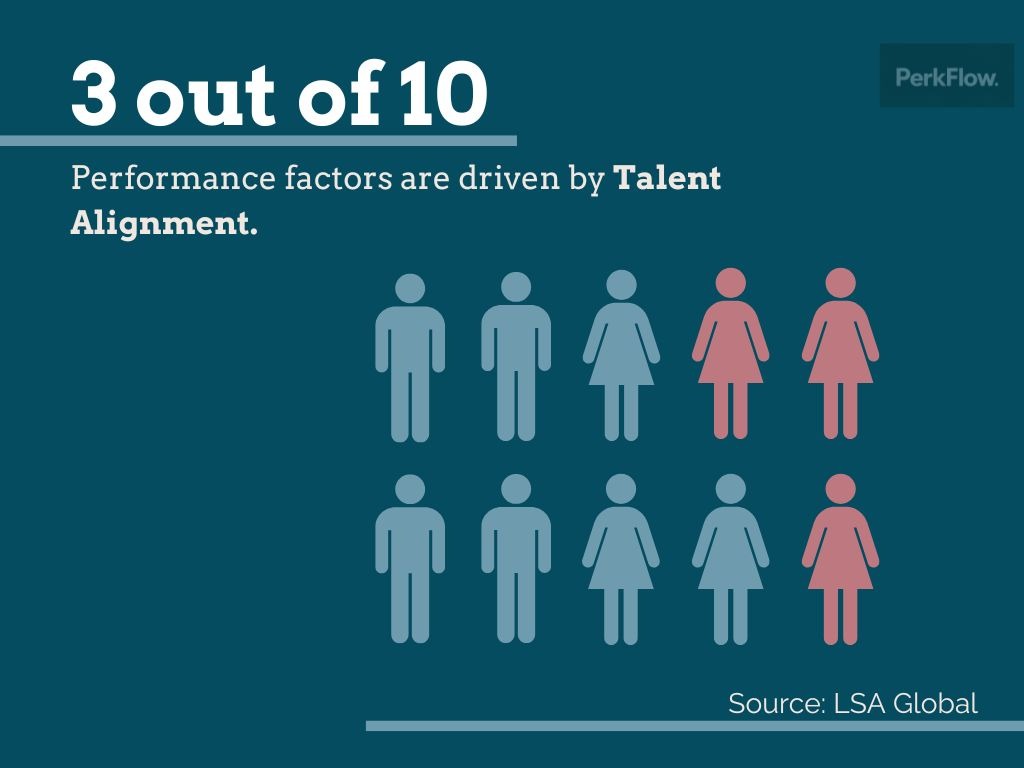
Talent as the Catalyst of Strategy Execution
Think about the last time a major business initiative failed. Was it because the strategy was poor, or because the people responsible for carrying it out weren’t prepared, aligned, or supported? More often than not, it’s the second.
That’s why talent is often described as the catalyst for execution. Why? Strategy doesn’t come to life on its own. It moves forward through the decisions employees make, the problems they solve, and the work they complete every day.
This is where talent management becomes essential: if talent is the engine behind execution, talent management keeps that engine running at its best. It is the ongoing process of attracting, developing, supporting, and retaining people so they have what they need to execute the organization’s priorities.
For example, if a company’s strategy is to expand into new markets, talent management asks these questions:
- Do we have leaders ready to manage new teams?
- Do employees have the skills required to support expansion?
- Are managers equipped to lead through change?
- Where are the capability gaps that could slow execution?
Answering these questions early helps organizations prepare their workforce before execution begins.
Strategy sets the direction, talent provides the capability, and talent management keeps those capabilities aligned with business priorities.
Common Talent activities that Impact Execution
| Talent Touchpoint | What it shapes | How It Helps Strategy Execution |
| Onboarding | Understanding of role expectations and priorities | Integrates hires quickly so they contribute to strategy sooner. Ensures you have the right mix of skills and roles for future goals |
| Learning & development | Capability to do what the strategy requires | Fills skill gaps and adapts workforce to strategic shifts |
| Performance management | Daily decision-making and behavior | Keeps execution on track via regular feedback, goals, and accountability. |
| Career pathing | Self-awareness of progress against goals | Helps employees see their ambition come to reality, thereby boosting motivation needed for execution. |
| Recognition | Motivation and retention | Affects their motivation |
| Retention | Succession planing | Builds a leadership pipeline to sustain long-term strategic projects. |
When the people strategy is incorporated into your overall strategy, execution becomes more effective.
Examples: Turning Strategy Into Execution Through Talent Management
1: Digital Transformation
A company invests heavily in digital transformation, but adoption is slow because managers haven’t been trained to lead teams through the change. Employees revert to old processes, productivity drops, and project timelines slip.
The strategy wasn’t the problem. The talent activities were.
- Learning & development didn’t build the capabilities the strategy required.
- Performance management wasn’t updated to reinforce new ways of working.
- Succession planning overlooked leaders with change management experience.
2: Regional Expansion
A business enters two new markets expecting rapid growth, but local teams struggle to meet customer expectations. Leadership soon realizes they expanded faster than they developed the people needed to support the growth.
Talent management could have strengthened execution by:
- Mapping workforce capabilities before expansion.
- Hiring and onboarding employees with local market expertise.
- Developing future leaders ahead of the expansion.
3: Customer Experience Strategy
A company launches a strategy to become the industry’s customer experience leader. Six months later, customer satisfaction has barely improved because employees are still being rewarded mainly for speed and output rather than service quality.
Execution slowed because talent practices weren’t aligned with the strategy.
- Recognition and rewards reinforced the wrong behaviours.
- Performance goals didn’t reflect customer experience outcomes.
- Career development wasn’t helping employees build the skills needed to deliver the new strategy.
Why is Talent Management Crucial for Strategy Execution?
If you pay closer attention, you will realize none of these problems begin on the day a strategy is launched. They develop long before execution starts, which is why talent management plays such a significant role in determining whether a strategy succeeds or not.
Another way to understand this is by comparing where talent management fits across the two phases of strategy.
| Function | Strategy Development | Strategy Execution |
| Purpose | Deciding what the organization wants to achieve. | Turning strategic plans into measurable results. |
| Role of Talent Management | Talent management helps leaders understand whether the organization has the capabilities needed to pursue the strategy. | Talent management develops those capabilities, supports managers, aligns performance, builds future leaders, and keeps employees focused on strategic priorities. |
| Without Talent Management | Without talent management, organizations risk creating unrealistic plans. | Without talent management, even well-designed strategies struggle to gain traction. |
Strategy may define where the business wants to go, but talent management helps people get it there.
How to Strengthen Talent Management for Better Strategy Execution
- Conduct quarterly talent reviews.
- Map workforce capability
- Embed succession planning into the talent system
- Align recognition and rewards with specific strategic behaviors rather than general performance.
- Individualized development and career pathing tied to skill gaps and strategic needs.
- Build real-time visibility into execution health.
How Do You Measure Strategy Execution Success?
- Goal completion rates against original strategic objectives
- Manager and employee engagement scores
- Skills coverage against strategic requirements
What Tools Help Improve Strategy Execution?
A strategy execution tool should help you answer one simple question: Are we making progress, or are we drifting off course? The best tools make that easy by helping you:
- Connect individual and team goals to your organization’s strategic priorities.
- Track employee performance and identify execution gaps before they affect business results.
- Surface real-time insights so managers can quickly address blockers and keep teams on track.
- Support continuous feedback, recognition, and development to reinforce the behaviors that drive execution.
PerkFlow brings these unique features together in one platform. It helps organizations align goals, monitor performance, detect execution drift, recognize the right behaviors, and give managers the visibility they need to keep strategy moving.
If you’re looking for a better way to turn strategy into consistent execution, book a demo now.
KEY NOTE
People make strategy real. Your great strategy changes nothing if the people are not mobilized to carry it out.
By embedding talent management into every phase of your strategy, from planning to adjustment, you ensure those daily decisions pull in the same direction. You’ll build a workforce that executes your strategy.
This is where execution intelligence becomes valuable. It gives leaders visibility into how strategy is being executed across teams, making it easier to spot gaps and support leaders.
Ready to turn your strategy into results? This can help!
 Written by Ufan-Abasi Francis